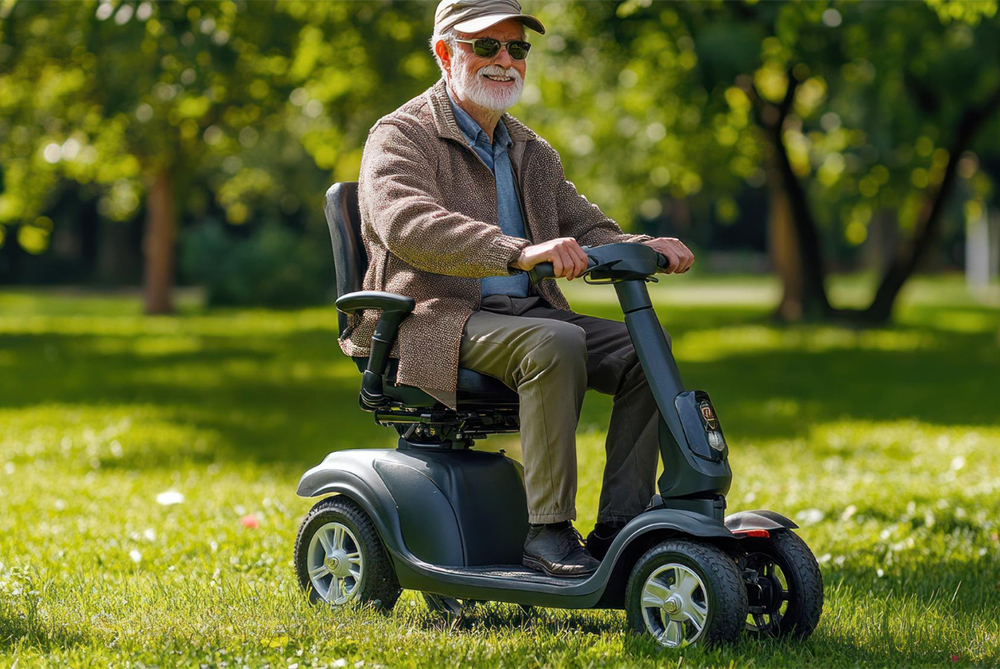
Choosing a mobility scooter is a significant decision that can dramatically improve your independence and quality of life. Whether you're recovering from surgery, managing a chronic condition, or simply want to maintain an active lifestyle as you age, the right scooter can make all the difference.
One of the first decisions you'll face is whether to buy new or used. Both options have distinct advantages and potential drawbacks. Understanding these differences will help you make an informed choice that fits your budget, needs, and long-term goals.
This guide explores the key factors to consider when choosing between new and used mobility scooters, helping you find the perfect match for your lifestyle and circumstances.
The Case for New Mobility Scooters
Latest Technology and Features
New mobility scooters come equipped with the most current technology and safety features. Modern models often include LED lighting systems, digital displays, USB charging ports, and advanced suspension systems that weren't available in older models. These features can significantly enhance your comfort and safety during use.
Many newer scooters also offer improved battery technology, providing longer range and faster charging times. Some models include smart features like Bluetooth connectivity and mobile apps that help you monitor battery life and performance.
Full Warranty Protection
Perhaps the most compelling reason to choose a new scooter is the comprehensive warranty coverage. Most manufacturers offer warranties ranging from one to three years, covering parts, labor, and sometimes even service calls. This protection provides peace of mind and can save you substantial money if repairs are needed.
Warranty coverage typically includes the motor, battery, electronics, and structural components. Some manufacturers even offer extended warranty options for additional protection beyond the standard coverage period.
Customization Options
When you purchase new, you have the opportunity to customize your scooter to meet your specific needs. This might include choosing the seat type, adding accessories like baskets or cup holders, selecting colors, or upgrading to premium features like captain's chairs or enhanced lighting systems.
Guaranteed Condition and Reliability
New scooters come with the assurance that all components are in perfect working order. You won't have to worry about hidden damage, worn parts, or previous misuse that could affect performance or safety. This reliability is particularly important for users who depend on their scooters for daily transportation.
The Benefits of Used Mobility Scooters
Significant Cost Savings
The primary advantage of buying used is the substantial cost savings. Used mobility scooters typically cost 30-60% less than their new counterparts, making mobility assistance more accessible for those on tight budgets. These savings can be especially meaningful for users who need a scooter temporarily or aren't sure about their long-term needs.
Immediate Availability
Used scooters are often available for immediate pickup or delivery, whereas new models might require ordering and waiting for delivery. If you need a scooter quickly due to injury or sudden mobility changes, a used option can provide immediate relief.
Less Depreciation Concern
Like cars, new mobility scooters experience significant depreciation once purchased. When you buy used, someone else has already absorbed this initial depreciation, making it a more financially sound choice if you plan to resell in the future.
Proven Track Record
A well-maintained used scooter has already demonstrated its reliability and durability. If the previous owner used it regularly without major issues, you can have confidence in its continued performance.
Key Factors to Consider
Your Budget and Financial Situation
Determine your maximum budget before shopping. Remember to factor in potential maintenance costs, insurance, and accessories. If your budget is limited, a quality used scooter might be your best option. However, if you can afford new and plan to use the scooter long-term, the warranty and reliability benefits might justify the extra cost.
Intended Usage
Consider how often and where you'll use your scooter. For daily use or outdoor adventures, a new scooter's reliability and warranty might be worth the investment. For occasional use or indoor-only applications, a used scooter could meet your needs perfectly.
Duration of Need
If you need a scooter temporarily—perhaps during recovery from surgery—a used model makes financial sense. For long-term or permanent use, investing in new equipment might provide better value over time.
Maintenance Capabilities and Costs
Used scooters may require more frequent maintenance and repairs. Consider whether you have access to repair services and factor potential maintenance costs into your decision. In areas with limited service options, the warranty support that comes with new scooters becomes more valuable.
What to Look for When Buying Used
If you decide on a used mobility scooter, inspect it thoroughly. Check the battery condition and age, as replacement batteries can be expensive. Test all electrical components, including lights, horn, and charging system. Examine the tires for wear and proper inflation.
Look for signs of damage or excessive wear on the frame, seat, and controls. Ask about maintenance history and reason for selling. If possible, take the scooter for a test drive to ensure it operates smoothly and meets your mobility needs.
Making Your Decision
The choice between new and used ultimately depends on your individual circumstances, budget, and priorities. If warranty protection, latest features, and guaranteed reliability are most important to you, new is likely the better choice. If cost savings and immediate availability are your primary concerns, a quality used scooter might be perfect.
Consider your long-term mobility needs, financial situation, and personal preferences. There's no universally right answer—only the right answer for your specific situation.
Find the Perfect Mobility Solution
Whether you decide on new or used, choosing the right mobility scooter is about finding equipment that enhances your independence and quality of life. Take time to research your options, test different models, and consider all factors before making your decision.
If you're looking for disability scooter sales in Orlando, FL, contact Scootz Mobility Scooter Rentals today for booking information. Their experienced team can help you explore both new and used options to find the perfect mobility solution for your needs and budget.